
It usually happens at the worst moment: the hair dryer is running, the space heater is humming, and the breaker clicks off. So can smart home technology help reduce electrical overloads? It can, with an important catch. Monitoring, load management, and automated controls help you see and spread out demand, but they cannot add capacity to an undersized system. Paired with dependable residential electrical services, they turn guesswork into clear information.
What an Electrical Overload Really Means
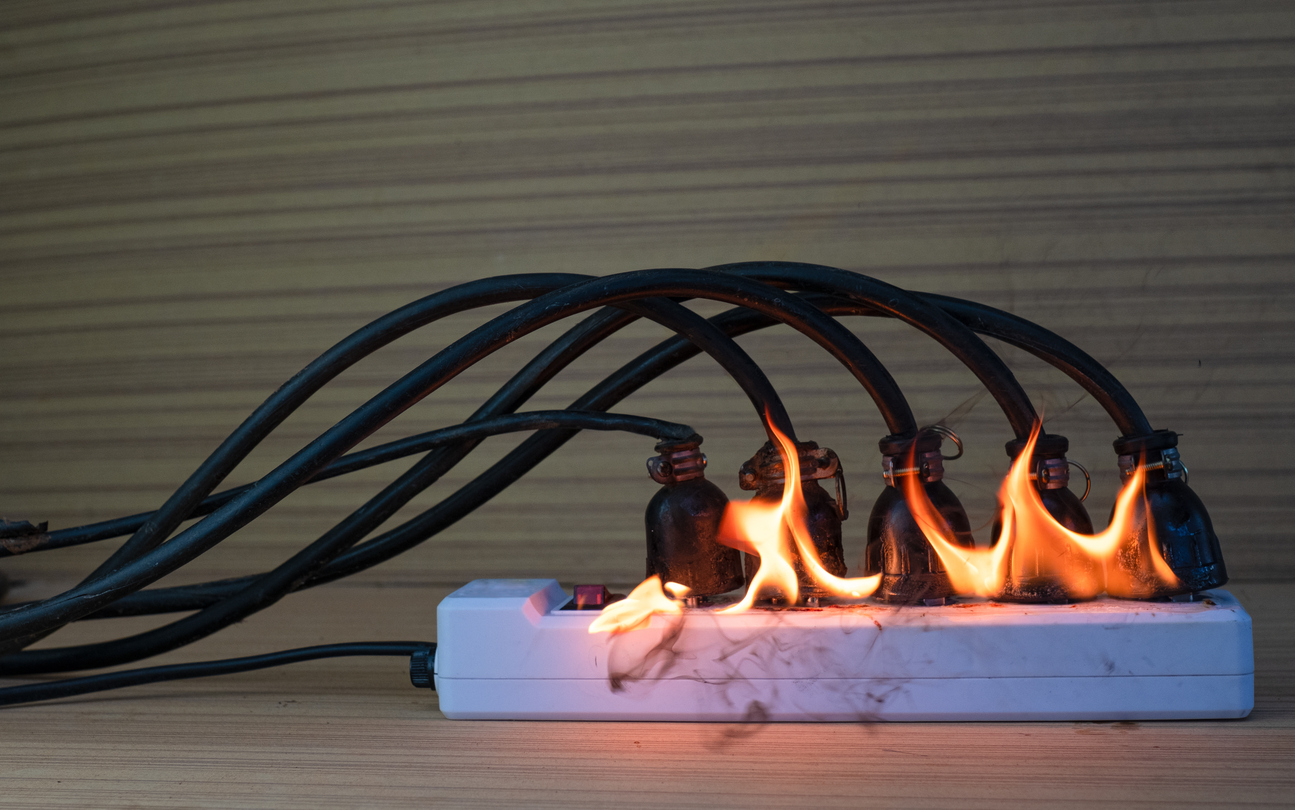
Every circuit has a limit, and the breaker is its safety valve. An overload happens when devices ask for more current than a circuit can carry, so the breaker trips to prevent overheating. Add an EV charger, a hot tub, or a workshop to an older home, and trips become more likely, and winter heating in Bend and Eugene pushes demand up just when the house is full. Smart technology cannot raise the limit, but it can show who is asking for the power and when.
Step One: See Your Usage With Smart Electrical Monitoring
Circuit-level monitors and smart panels track how much power each part of the home uses and show it in an app. A mystery trip becomes a pattern, such as the dryer and oven peaking together every Sunday. Monitoring is installed inside the electrical panels, so it belongs in a licensed electrician’s hands, and the data can show whether circuit breakers need replacing or new circuits are due. Think of it as a dashboard: it reads; it does not protect.
Step Two: Shift Demand With Load Management Systems
Load management controls big appliances so they do not all run at once. When you add electric car charger installation to a busy panel, a system can ease the charger back while the oven and dryer run, or pause a hot tub heater at peak demand. In some homes, that lets a modest service handle new equipment. Big loads such as an electric fireplace or detached shed power count too. It is not magic, though: an electrician must run a load calculation and confirm local code first, and when the numbers do not work, a bigger panel is the honest answer.
Step Three: Automate the Small Stuff, From Lighting to Outlets
Automation handles the loads that add up quietly. Smart light switches schedule and dim lights, and lighting services that swap in efficient LED fixtures trim demand on every circuit. Outdoor lighting on timers keeps yard lights from burning all night. Smart thermostats and appliance schedules stagger heating and laundry so peaks do not stack. Smart plugs suit small devices, but check the rating and skip them for space heaters. If too many devices share one circuit, electrical outlet services in Bend & Eugene can add outlets and circuits so the load spreads out.
What Smart Technology Cannot Fix, and the Residential Electrical Services That Can
No app can repair a tired panel or a loose connection. Frequent trips, warm outlets, flickering lights, or a burning smell call for electrical troubleshooting, not repeated resets. Safety devices still matter in a connected home: GFCIs near water, smoke and fire alarms on every level, and whole-house surge protectors to shield smart electronics. Surges are a different problem from overloads, but a connected home needs protection from both.
A Practical Order of Operations
- Have an electrician review the panel, circuits, and service size.
- Add monitoring to learn where demand peaks.
- Add load management for the biggest loads.
- Automate lighting and small appliances.
- Review the data after a month and adjust.
Finding a Residential Electrician Near Me You Can Trust
Searching for a residential electrician near me or electrical contractors near me returns a long list, so look past the ads. A good residential electrician explains how smart equipment will work with your existing panel, runs a load calculation, pulls permits when required, and says plainly when a device will not solve the problem. Ask neighbors for a local electrician near me, check licenses and reviews, and when browsing electricians in my area, choose one who serves your town and answers the phone. Bring recent electric bills to the first visit so the electrician can see real usage.
Why Deschutes Advanced Electric
Deschutes Advanced Electric serves homeowners in Bend and Eugene with residential electrical services that range from panels and circuits to lighting, outlets, and EV chargers. The team looks at your home’s real demand, explains what smart technology can and cannot do, and recommends an upgrade only when it makes sense.
Smart technology will not make an overloaded circuit bigger, but it can show where the strain comes from and shift demand before a breaker trips. Pair it with a sound panel and sound circuits, and the whole system works better.
Frequently Asked Questions
Can smart home devices prevent electrical overloads?
They can help you see and manage demand, which lowers the odds of a trip, but they cannot add capacity. Overloads come down to the limits of your circuits and panel.
Do smart plugs and smart switches cause overloads?
Not by themselves, but each has a rating, so stay within it. Many smart switches also need a neutral wire, which older homes may lack, so an electrician may be needed.
Can load management let me skip a panel upgrade?
Sometimes. A load calculation shows whether managed loads fit within your service. If they do not, a panel or service upgrade is the safer route.
How do I know if my circuits are overloaded?
Frequent breaker trips, warm outlets, flickering lights, buzzing sounds, and a burning smell are warning signs. Stop using that circuit and call an electrician.
Is a smart electrical panel worth it?
It can be, especially with EV charging or electric heating, because circuit-level data reveals peaks. A modest home may need only monitoring and a few automations.