

A windstorm rolls through Bend, the lights flicker twice, and then the house goes quiet. For most homeowners, that’s an inconvenience lasting an hour or two. For anyone running a well pump, medical equipment, or a home office, it’s a different kind of problem — and Central Oregon sees enough winter storms and public safety power shutoffs that the question isn’t really “if” the power goes out; it’s “for how long, and what happens while it’s dark.” The answer usually comes down to one decision: a manual transfer switch paired with a portable generator, or a full whole-home backup system.
Why This Decision Matters More in Central Oregon Than Elsewhere
Bend, Sisters, and the surrounding high desert deal with a specific mix of outage causes — heavy wet snow on power lines, high wind events, and occasional utility-driven shutoffs during fire-risk conditions. Rural properties on well water are especially exposed, since no power means no water at all, not just no lights. That combination makes backup power less of a luxury here than it might be in a denser, grid-redundant city.
Option One: A Manual Transfer Switch With a Portable Generator
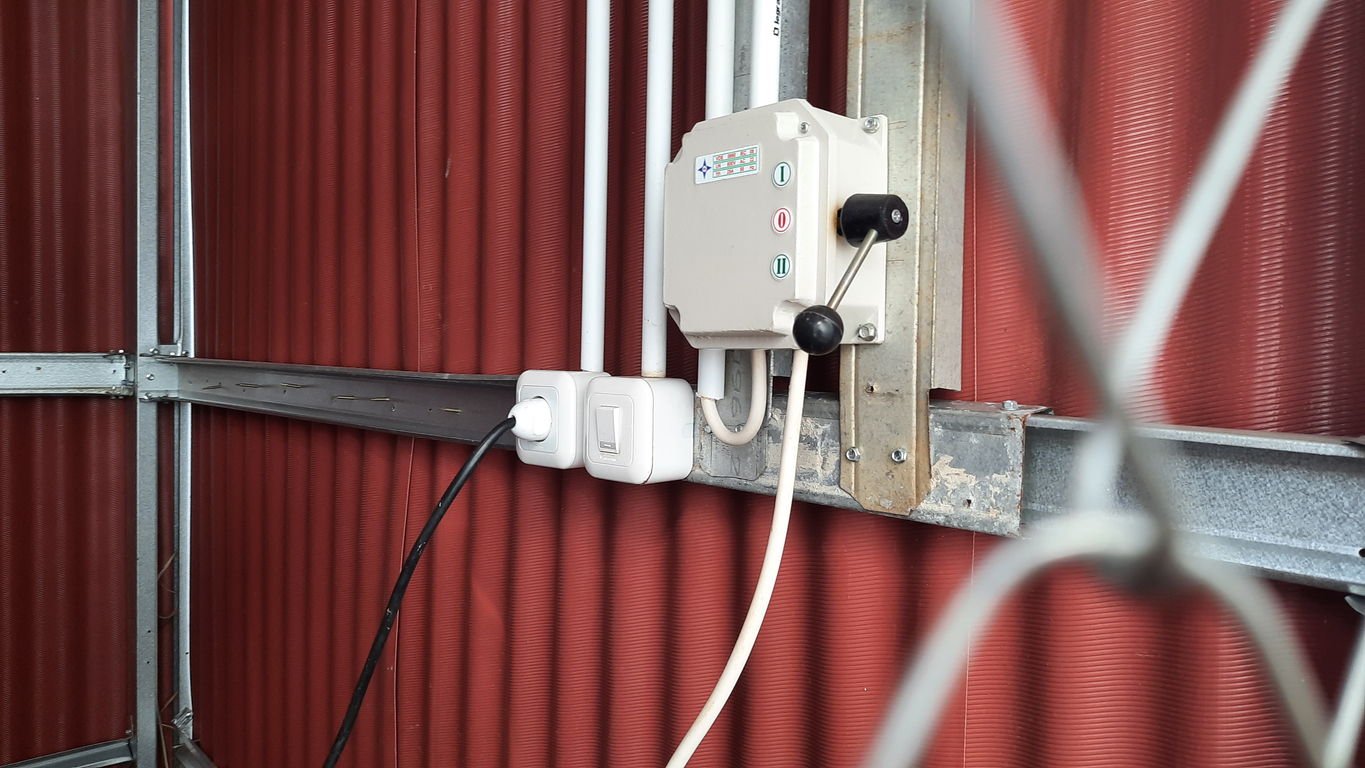
A transfer switch installed near the electrical panel lets a portable generator safely power select circuits — the furnace, refrigerator, well pump, a few lights — without the dangerous backfeeding that happens when a generator gets plugged directly into an outlet. It’s the lower-cost route, and for most households it covers the handful of circuits that actually matter during a short outage. The tradeoff is manual effort: someone has to be home to start the generator, refuel it, and manage runtime.
Option Two: A Whole-Home Standby System
A permanently installed standby generator, wired through an automatic transfer switch, detects an outage and restores power to the entire home within seconds — no one needs to be present. This is the stronger option for second homes that sit empty for stretches, properties with a well pump that can’t wait for someone to notice the water’s off, or anyone running equipment that simply can’t go down. It costs more upfront and typically requires a dedicated fuel line, but it removes the manual-response risk entirely.
What a Load Calculation Actually Tells You
Before choosing either option, an electrician needs to run a load calculation — the same step that matters for EV chargers or panel upgrades. It determines what your essential circuits actually draw, whether your existing panel and circuit breakers can support a transfer switch without modification, and how large a generator you really need. Skipping this step is how people end up with a generator that’s either underpowered for a cold snap or oversized and wasted money.
Don’t Forget the Rest of the System
A backup power plan only works if the rest of the electrical system is sound. An aging panel, a breaker that won’t reset reliably, or outlets that are already a weak point will undercut even a well-installed standby system. If something already feels off — flickering lights, breakers that trip for no clear reason — it’s worth having electrical troubleshooting done before investing in a generator setup built on top of a shaky foundation. Pairing backup power with a whole-house surge protector is also worth considering, since the moment power is restored — whether by the utility or your own generator — is exactly when a damaging surge is most likely.
Why Deschutes Advanced Electric
Deschutes Advanced Electric helps Central Oregon homeowners choose and install the backup power setup that actually fits their property, starting with a load calculation rather than a sales pitch. Whether that means a transfer switch for a portable generator or a fully automatic whole-home system, the team handles the permitting, panel work, and wiring so the system is ready the next time the lights go out. Contact Deschutes Advanced Electric to talk through which option fits your home.
Frequently Asked Questions
Is a transfer switch required by code for a portable generator?
Yes. Plugging a portable generator directly into an outlet can backfeed electricity into the grid, which is dangerous for utility workers and illegal in most jurisdictions. A properly installed transfer switch isolates your home’s circuits from the grid before generator power flows, which is the only code-compliant and safe way to run a portable unit during an outage.
How long can a whole-home standby generator run during an extended outage?
Most standby systems can run as long as fuel is supplied, since they connect to a dedicated natural gas or propane line rather than a limited gas tank. That makes them well suited to multi-day outages from major winter storms, though routine maintenance and periodic professional servicing are still needed to keep the system reliable over years of occasional use.
What size generator does a typical Central Oregon home need?
It depends entirely on which circuits you want powered. A load calculation identifies the actual draw of your essentials — furnace, well pump, refrigerator — and sizes the generator accordingly. Guessing based on square footage alone often leads to an underpowered system that can’t start a well pump’s motor or an oversized one that costs more than necessary.
Can a generator damage my home’s electrical system if installed incorrectly?
Yes. An improperly sized or wired generator setup can overload circuits, damage sensitive electronics, or create backfeed hazards. Professional installation ensures the transfer switch, wiring, and generator capacity are matched correctly to your panel and that everything meets local code, which protects both your equipment and anyone working on the lines during an outage.
Does a standby generator need a surge protector too?
Yes, ideally. The moment power is restored — whether from the utility or your own generator kicking on — is a common point for voltage spikes. A whole-house surge protector installed at the panel guards against that moment, protecting appliances and electronics that a generator alone won’t shield.